A Short History of Earth Day: From 1970 to the 50th Anniversary
Every April 22, millions of people plant trees, clean up beaches, march, swap clothes or simply eat a plant-based lunch in the name of Earth Day. It is easy to forget that the day began as a political experiment barely half a century ago, and that it worked better than almost anyone expected.
The idea: a national teach-in
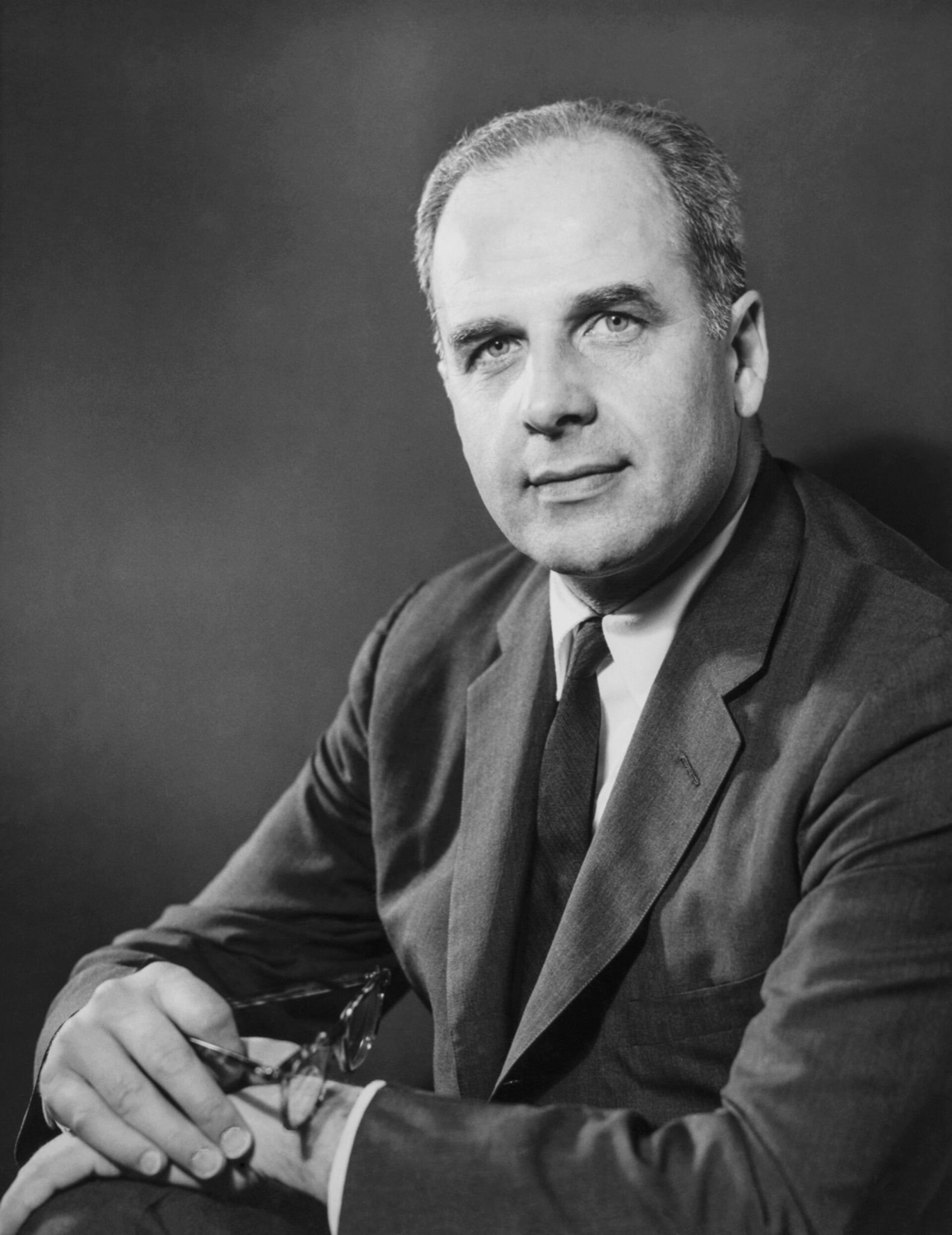
By the late 1960s, pollution was impossible to ignore. Rachel Carson's Silent Spring (1962) had made pesticides a household topic, rivers were so polluted that Ohio's Cuyahoga caught fire in 1969, and an oil well blowout off Santa Barbara that same year coated California beaches in crude. U.S. Senator Gaylord Nelson of Wisconsin, who had been trying for years to put the environment on the national agenda, borrowed a tactic from the anti-war movement: the campus teach-in.
Nelson announced the plan in the autumn of 1969. A young organiser, Denis Hayes, was recruited to coordinate it, and a small national staff helped local groups set up their own events. The date, April 22, was chosen partly because it fell between spring break and final exams, when students would be on campus.
April 22, 1970
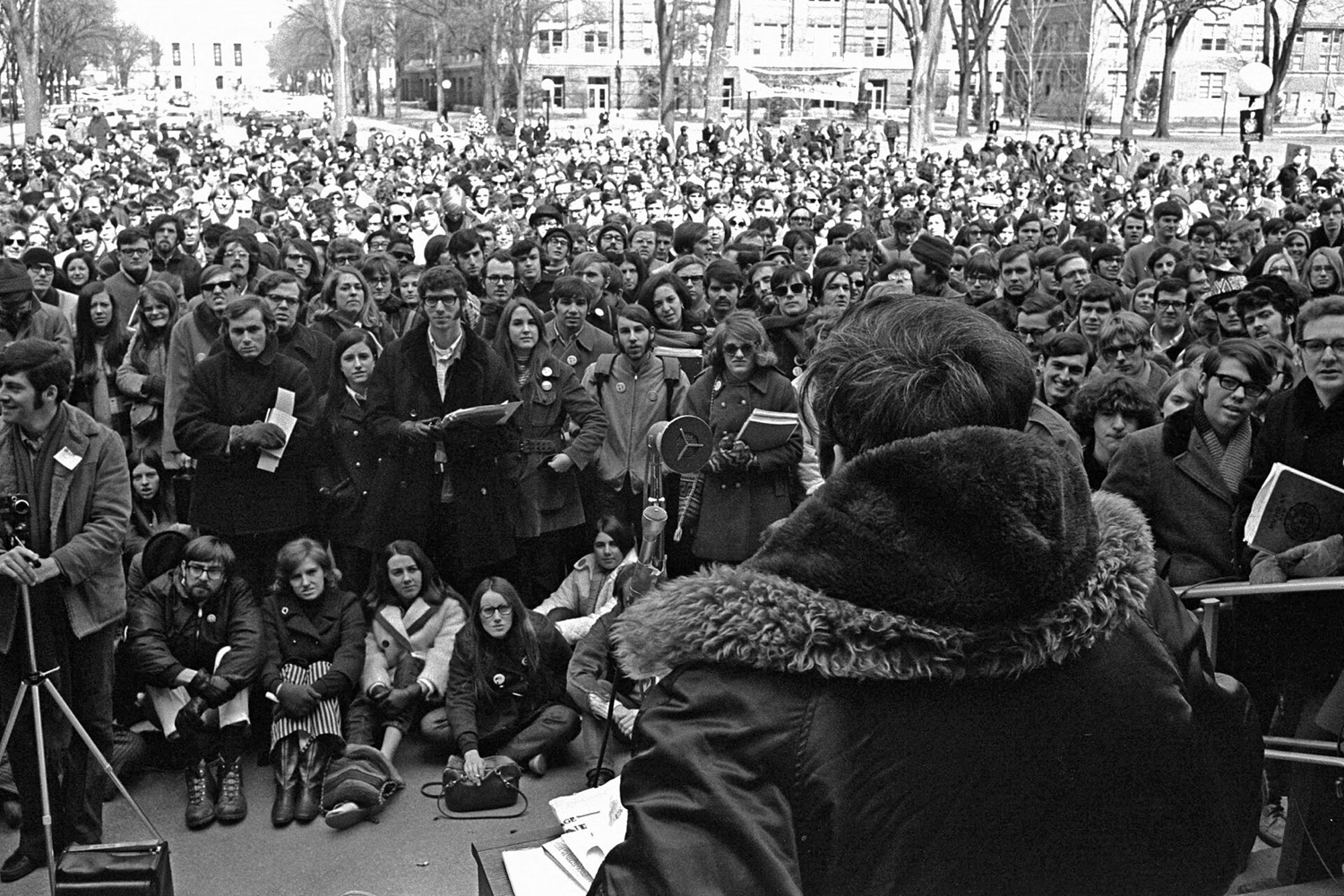
The result was far bigger than a series of seminars. An estimated 20 million Americans, roughly one in ten people in the country at the time, took part in rallies, clean-ups and lectures in thousands of schools, universities and towns. Republicans and Democrats, city dwellers and farmers, students and labour unions joined in. Fifth Avenue in New York was closed to traffic. The photo at the top of this page shows students at the University of Michigan's Teach-In on the Environment in March 1970, one of the big campus events that set the stage for April 22.
The Bay Area has its own footnote. Peace activist John McConnell had proposed a global "Earth Day" on the spring equinox at a UNESCO conference in San Francisco in 1969, and San Francisco marked an equinox Earth Day on March 21, 1970. The April 22 date is the one that stuck around the world.
What changed afterwards
Earth Day is often credited with turning public concern into law. In the few years after 1970 the United States created or strengthened most of its core environmental rules:
| Year | Milestone |
|---|---|
| 1970 | Environmental Protection Agency established (December); Clean Air Act amendments signed |
| 1972 | Clean Water Act; federal ban on most uses of DDT |
| 1973 | Endangered Species Act |
| 1974 | Safe Drinking Water Act |
Not every one of those laws can be traced directly to one day of rallies, of course. But historians generally agree that the size of the 1970 turnout convinced politicians that the environment was a mainstream issue that voters cared about.
Going global
For its 20th anniversary in 1990, organisers took Earth Day international. Around 200 million people in 141 countries took part, and the campaign gave a boost to recycling programmes worldwide and to the momentum that led to the 1992 Earth Summit in Rio de Janeiro. In 2016 the Paris climate agreement was opened for signature on Earth Day at the United Nations in New York. Today the network that grew out of the original organising effort, EARTHDAY.ORG, says the day is marked in more than 190 countries.
The 50th anniversary in 2020
April 22, 2020 should have been the biggest Earth Day yet. Instead the COVID-19 pandemic cancelled street festivals and marches around the world, including the 50th-anniversary street festival that had been planned in Berkeley. Much of the celebration moved online, with livestreamed talks, concerts and digital teach-ins. We tell that story in Earth Day 2020: the anniversary that went online, and the local festival's history in Berkeley Earth Day: a look back.
Earth Day at a glance
- First held
- April 22, 1970, United States
- Proposed by
- Senator Gaylord Nelson (Wisconsin)
- National coordinator
- Denis Hayes
- Turnout in 1970
- About 20 million Americans
- Went international
- 1990, about 141 countries
- 50th anniversary
- 2020, largely online because of COVID-19
How people mark it now
Modern Earth Day ranges from big-city festivals to tiny neighbourhood clean-ups. Some cities hold vegan food fairs, some run film nights, some close a street for a day of bikes and music. Plenty of businesses use it for marketing too, which is one reason we try to separate useful advice from greenwashing in our guide to eco-friendly products. Even fundraising has changed: environmental groups now raise money with everything from charity runs to raffles and casino-style fundraiser nights, which we look at in charity raffles and environmental fundraising.
The spirit of the first Earth Day was that ordinary people could push for change and have a good time doing it. That is still the best reason to turn up.