Earth Day 2020: The 50th Anniversary That Went Online
For environmental organisers, April 22, 2020 had been circled on the calendar for years. Fifty years after the first Earth Day, the plan was to put more people on the streets than ever, building on the youth climate strikes that had drawn huge crowds in 2019. Then the world locked down.
A movement at its peak
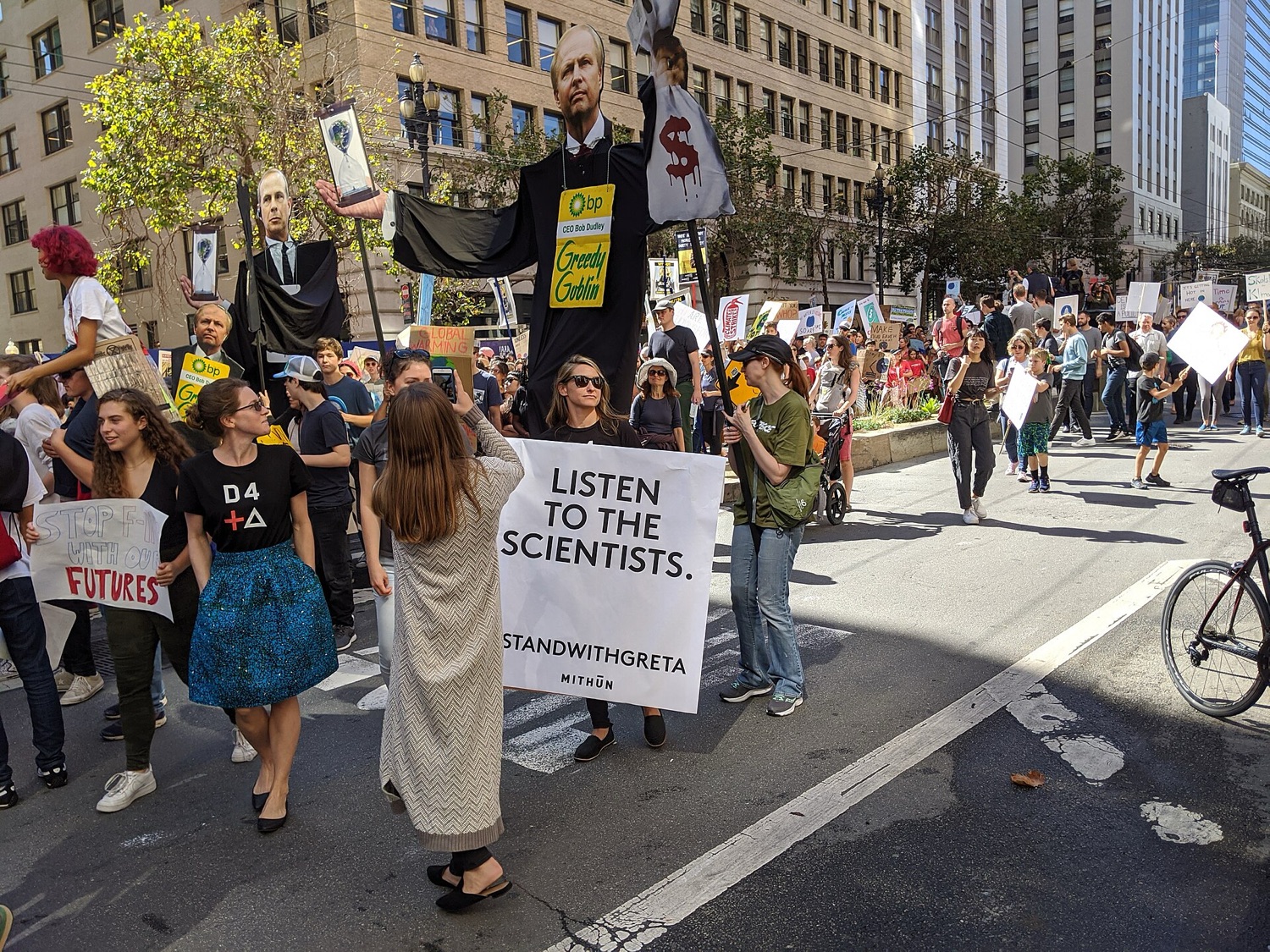
The year before the anniversary was one of the busiest in the history of climate activism. School strikes inspired by Greta Thunberg spread around the world, and in September 2019 the Global Climate Strike brought large crowds into San Francisco and many other cities. The photo above shows marchers in San Francisco carrying a sign urging people to listen to the scientists. Organisers expected Earth Day 2020 to build on that energy.
Cancelled, postponed, moved online
By March 2020 it was clear that large gatherings were impossible. Local festivals, including the 50th-anniversary street festival that had been announced for Berkeley, were cancelled. The national and global organisers switched to digital events: livestreamed speeches, concerts and teach-ins spread over several days, with participants joining from their homes. Climate groups ran their own online programmes alongside.
The shift had real costs. Street festivals are where people meet vendors, sign up for volunteer shifts, taste new food and stumble into a cause they had not thought about. A livestream rarely does that. But online events also reached people who could never have travelled to a rally, including many disabled people, parents of small children and people in rural areas.
What 2020 taught event organisers
- Hybrid is here to stay. Many groups now stream talks from in-person events, which widens access at little extra cost.
- Accessibility improved. Captioning and sign language interpretation became normal parts of online programmes. Our accessible events checklist builds on that.
- Local still matters. Neighbourhood clean-ups and small outdoor gatherings came back first, and often felt more meaningful than giant rallies.
- Travel emissions dropped. Remote events cut the carbon cost of speakers and audiences flying in, a theme we return to in our comparison of a Las Vegas trip versus playing online at home.
Staying in, playing on
Lockdown also changed how people spent their free time. Board game sales rose, streaming boomed, and so did online gaming of every kind, from casual mobile games to online casino and poker sites in places where they are legal. Some environmental groups used online quiz nights and virtual raffles to keep fundraising when in-person events were impossible. If you are curious about the games side, our guide to eco-themed slots, board and card games covers the titles with a nature theme.
Earth Day 2020 in brief
- Date
- Wednesday, April 22, 2020
- Milestone
- 50th anniversary of the first Earth Day
- Main format
- Online talks, concerts and teach-ins
- Local impact
- Street festivals cancelled, including Berkeley's
- Lasting effect
- Hybrid and online events became normal
The 50th anniversary did not look the way anyone planned. But the fact that people still found ways to mark it, from home and from small local gatherings, said something about how deep the idea had taken root since 1970. For the full background, read our short history of Earth Day.