Green Casino Resorts: LEED Buildings and Solar Power in Las Vegas
A city of neon in the Mojave Desert looks like the opposite of Earth Day. But the big casino resorts of Las Vegas use so much energy and water that efficiency has become a business decision, and some of them have built record-setting green projects. Here is what has been done, with the usual caveats about corporate claims.
LEED on the Strip
LEED (Leadership in Energy and Environmental Design) is a green building rating system run by the U.S. Green Building Council, with levels from Certified through Silver and Gold to Platinum. Two Strip projects made headlines:
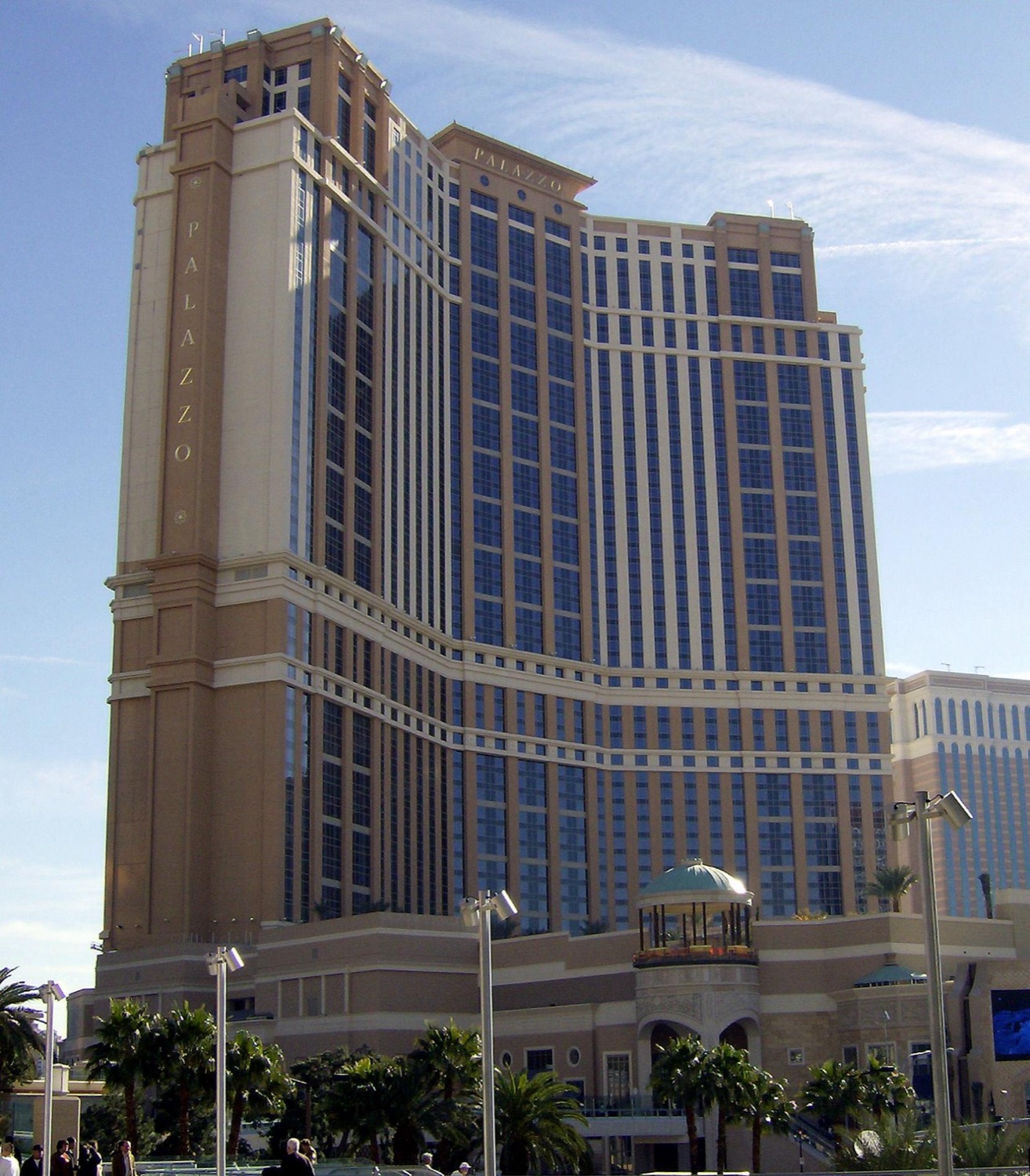
- The Palazzo, the resort shown above next to the Venetian, earned LEED Silver certification in 2008. At the time it was described as the largest LEED-certified building in the world. Features cited included efficient heating and cooling, water-saving fixtures and landscaping, and recycled construction materials.
- CityCenter, the complex that includes ARIA and Vdara, announced LEED Gold certifications in 2009, the first for Las Vegas, and other CityCenter buildings later achieved Gold as well. The project highlighted its own natural gas power plant that captured waste heat, efficient glass and water-saving systems.
Solar on the roof and in the desert
| Project | What was reported |
|---|---|
| Mandalay Bay rooftop array | Opened in 2014 on the convention centre roof at about 6.4 MW and later expanded to about 8.3 MW, covering more than 28 acres. It was described as the largest rooftop solar array in the U.S. at the time and expected to supply around a quarter of the resort campus's power demand at full output. |
| MGM Resorts Mega Solar Array | A 100 MW solar plant on about 640 acres north of Las Vegas, launched in 2021 under a long-term power purchase agreement. MGM said it could provide up to 90 percent of the daytime power for its Las Vegas properties. |
| Wynn Las Vegas solar facility | A solar plant of about 160 acres near Fallon, Nevada, which began operating in 2018 and was reported to offset up to roughly three quarters of the resort's peak power needs at the time. |
These figures come mainly from company announcements, and "up to" claims describe peak or daytime output rather than round-the-clock supply. Still, they are large projects by any standard, and they show how fast solar has become normal for big energy users in sunny places.
Water in the desert
Las Vegas gets most of its water from Lake Mead on the Colorado River, which has fallen dramatically in recent drought years. Southern Nevada recycles nearly all the water used indoors, treating it and returning it to the lake, so the bigger concern is outdoor use. Nevada passed a law in 2021 requiring the removal of decorative, non-functional grass in the Las Vegas area by 2027. Resorts have replaced lawns with desert landscaping and fitted low-flow fixtures in thousands of rooms.
Greenwashing check
None of this makes a Las Vegas trip carbon-neutral. Most visitors fly or drive long distances, and air conditioning, lighting and gaming floors run day and night. Our article on the carbon footprint of a Vegas trip versus playing online at home puts numbers on that. But if you are going anyway, choosing resorts with serious energy and water programmes, reusing towels and skipping daily housekeeping are small steps that add up across tens of millions of visitors a year.
Green Vegas at a glance
- LEED Silver
- The Palazzo, 2008
- LEED Gold
- CityCenter buildings, including ARIA and Vdara, from 2009
- Rooftop solar
- Mandalay Bay convention centre, about 8.3 MW after expansion
- Utility-scale solar
- MGM Mega Solar Array, 100 MW, 2021
- Off-site solar
- Wynn facility near Fallon, from 2018
California's tribal casinos have their own clean energy stories, from microgrids to solar carports. Read about them in California tribal casinos and sustainability.