Charity Raffles, Lotteries and Environmental Fundraising
Games of chance and environmental causes go back a long way. Community groups sell raffle tickets at fairs, schools hold casino nights, and several U.S. state lotteries pour money into parks and wildlife. Here is how it works, and what California's rules say.
Raffles: the classic fundraiser
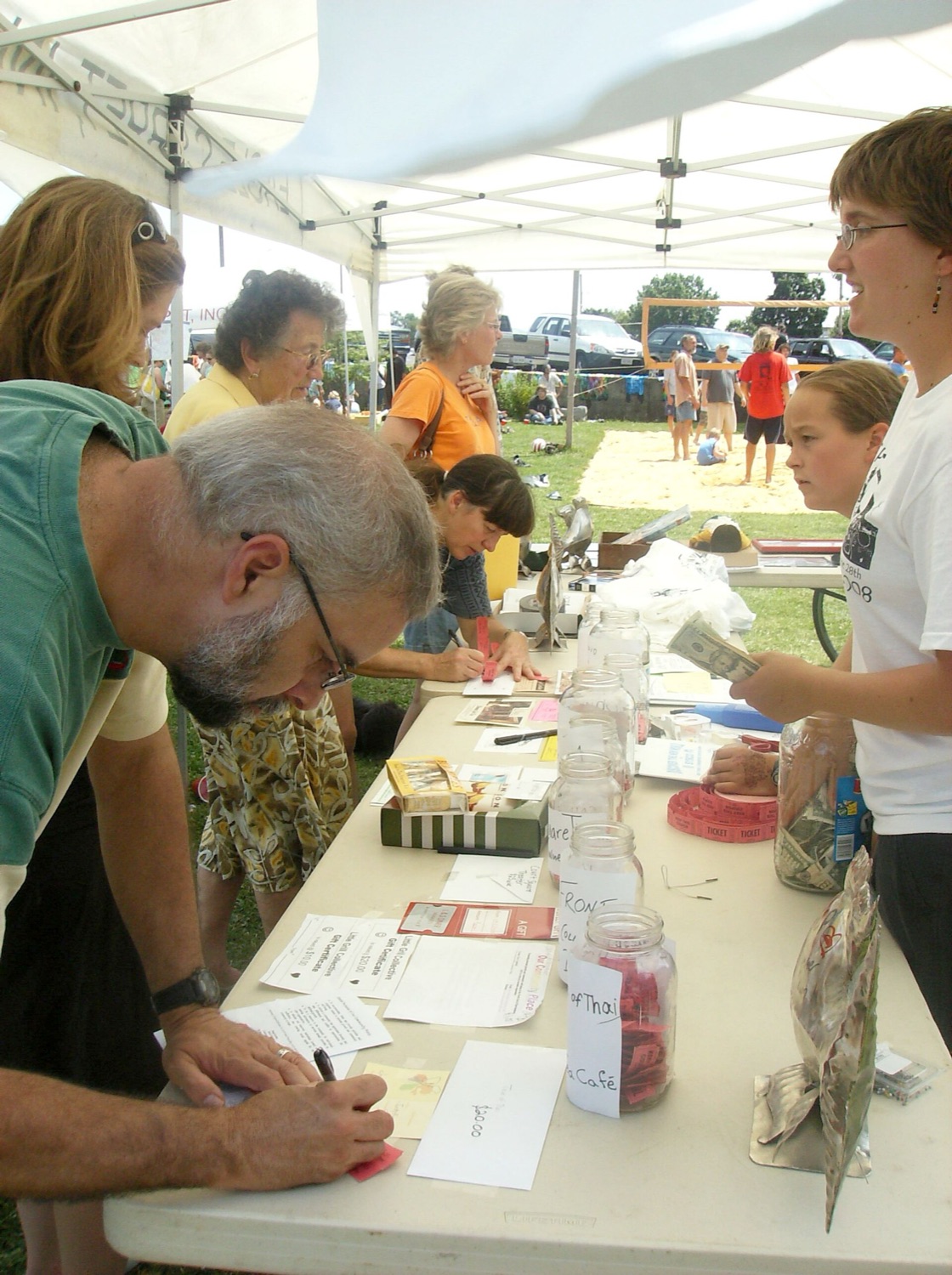
A raffle is simple: sell numbered tickets, draw winners, give prizes, keep the proceeds for the cause. At green fairs the prizes are often baskets of local products, bike gear, restaurant vouchers or experiences such as a guided hike. The photo above shows a raffle table at a community festival.
California's nonprofit raffle rules
California's constitution generally bans lotteries, but it makes an exception for raffles run by eligible nonprofit organisations. The rules are set out in Penal Code section 320.5 and enforced by the Attorney General. In summary:
- Only eligible nonprofits, generally those that have been tax-exempt and operating in California for at least a year, may hold raffles.
- At least 90 percent of gross receipts must go directly to charitable purposes in California.
- Most organisations must register with the Attorney General before holding a raffle and file a report afterwards. Some groups are exempt.
- Running a raffle online is generally not allowed, although you can advertise one online.
The rules are detailed and change from time to time, so check the Attorney General's nonprofit raffle page before you sell a single ticket.
Casino nights
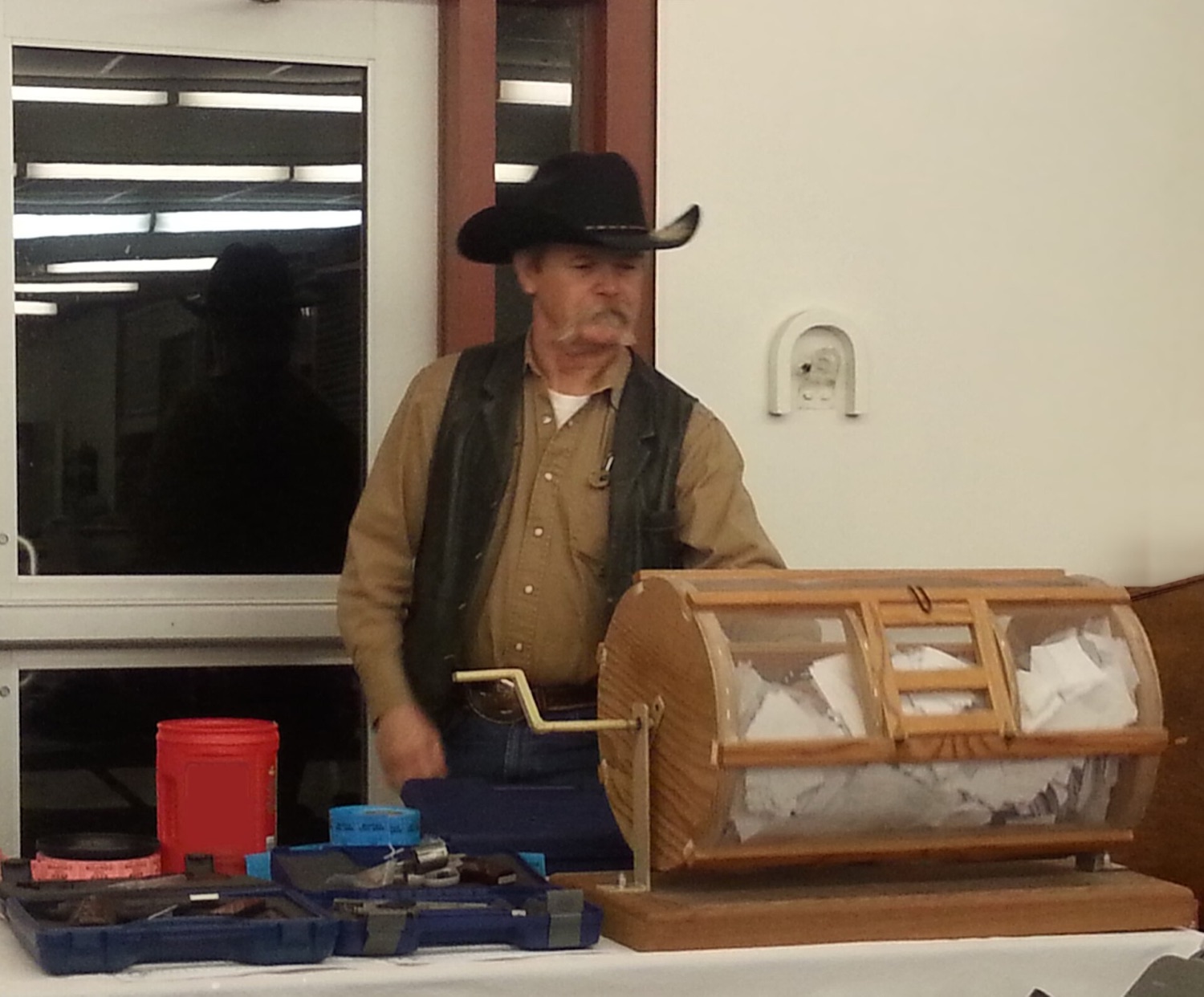
Casino-themed fundraisers, with blackjack, roulette and poker tables, dealers and a dress code, are popular with schools and nonprofits. Guests buy play chips, which have no cash value, and at the end of the night trade them for raffle entries or prizes. The legal status of these events varies by state, and California treats some formats as illegal gambling, so organisers should check with the Attorney General's guidance or a lawyer and keep play money strictly separate from prizes.
Lotteries that fund nature
Several states dedicate lottery money to the outdoors. Examples:
| State | Where lottery money goes |
|---|---|
| Colorado | Great Outdoors Colorado, state parks and wildlife, and local conservation trust funds |
| Oregon | A share of proceeds is dedicated by the state constitution to parks and watershed and salmon habitat protection |
| Minnesota | The Environment and Natural Resources Trust Fund receives a share of lottery proceeds |
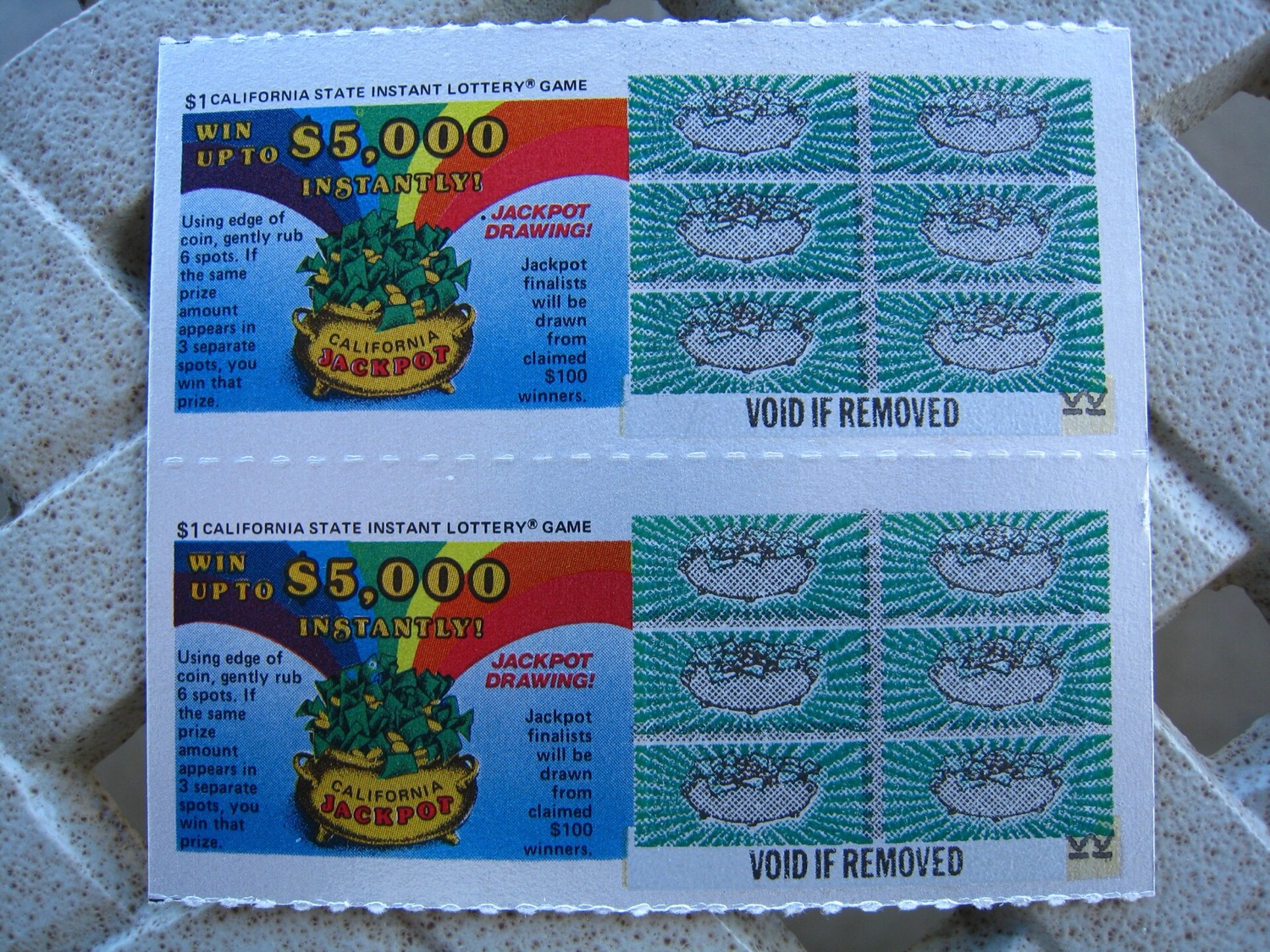
| California | The California Lottery, launched in 1985, funds public education rather than the environment |
In Europe, charity lotteries such as the Dutch Postcode Lottery and the People's Postcode Lottery in Britain have given large sums to nature and climate organisations.
Fundraising ideas for green groups
- Prize raffle at an event, with local, low-waste prizes.
- Film night with a Wild & Scenic programme and a donation table.
- Casino night with play chips, if the format is legal where you are.
- Board game marathon using nature-themed games (see eco-themed games).
- Sponsored clean-up, where supporters pledge per bag collected.
Raffle basics in California
- Who
- Eligible nonprofits only
- Charitable share
- At least 90% of gross receipts
- Registration
- Usually with the Attorney General, before the raffle
- Online
- Advertising yes, running the raffle online generally no
- Tip
- Check current rules every year
This is general information, not legal advice. For bigger events, talk to a nonprofit lawyer. Learn more about local groups that could use your help in Bay Area environmental groups.