Environmental Activism and Community Groups in the Bay Area
Community organisations were a big part of every Berkeley Earth Day festival, with tables sharing campaigns, petitions and volunteer sign-ups. The Bay Area has one of the richest networks of environmental groups in the world. This guide sorts them by type so you can find a good fit. We are independent and do not endorse any particular organisation.
Types of groups
| Focus | What they do | Examples in the region |
|---|---|---|
| Conservation and the outdoors | Protect wild places, lead outings, lobby on land use | Sierra Club (founded in San Francisco in 1892), regional park and land trust groups |
| The Bay and shoreline | Clean-ups, wetland restoration, water quality | Save The Bay, creek and watershed councils |
| Climate | Campaigns, lobbying, protests, clean energy advocacy | 350 Bay Area, Citizens' Climate Lobby chapters, youth climate groups |
| Waste and reuse | Recycling, reuse, repair, education | Berkeley's Ecology Center, reuse and repair collectives |
| Food and farming | Food justice, urban farms, community gardens | Community garden networks, food justice nonprofits |
| Wildlife | Bird counts, habitat work, wildlife rescue | Local Audubon chapters, wildlife rehabilitation centres |
| Animals and plant-based living | Vegan outreach, animal protection, events | Vegan societies and animal advocacy nonprofits |
How to choose
- Pick your issue. Bay water quality, local parks, climate policy or food? Passion keeps volunteers coming back.
- Pick your style. Some people love hands-on work like planting and clean-ups; others prefer writing letters, organising or data work.
- Check how they work. Look at a group's website for annual reports, where donations go and how decisions are made.
- Try one event. A single clean-up or meeting tells you a lot about the culture.
Volunteering ideas
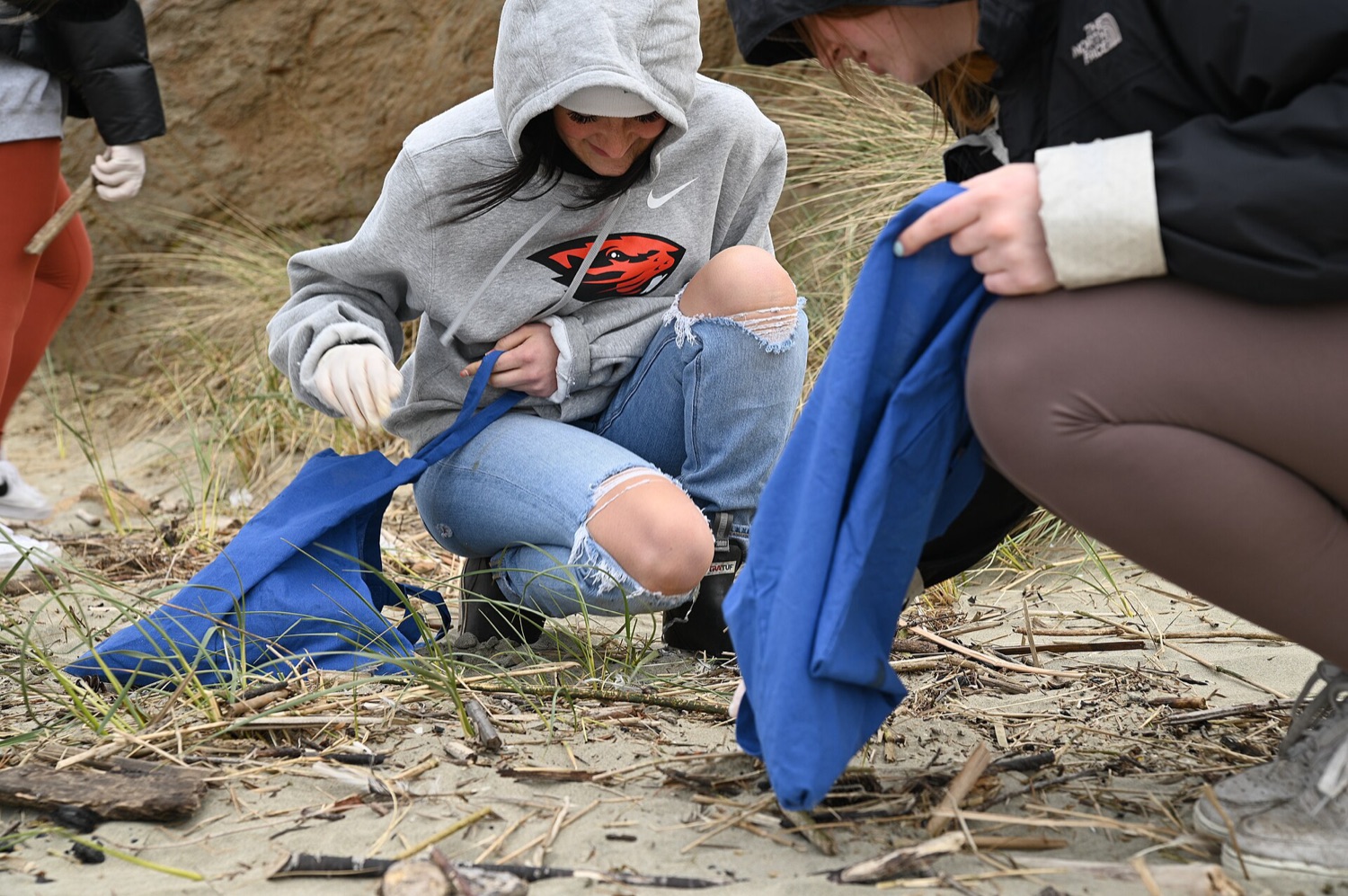
- Shoreline and creek clean-ups: regular events along the Bay and in East Bay creeks, plus the statewide Coastal Cleanup Day each September.
- Habitat restoration: pulling invasive plants and planting natives in parks.
- Community science: bird counts, water monitoring and iNaturalist bioblitzes.
- Events: staffing festivals, film nights and fundraisers.
How groups raise money
Most local groups depend on small donations and volunteer-run fundraisers: membership drives, film screenings, auctions and raffles. Casino nights, where guests play blackjack and roulette with play money and trade chips for raffle tickets or prizes, have become popular with schools and nonprofits because they are sociable and raise money without selling more stuff. In California, though, nonprofit raffles and gaming events are regulated, so organisers need to check the rules. We explain them in charity raffles, lotteries and environmental fundraising.
Activism and wellbeing
Environmental news can be overwhelming. Many activists say that joining a group is the best remedy for climate anxiety, because it turns worry into action and puts you among people who share your concern. David Brower, whose name is on the Brower Center in Berkeley, liked to remind people to enjoy the work. That is good advice.
Getting involved
- Easiest start
- Join one clean-up or film night
- Hands-on
- Habitat restoration, garden work
- From home
- Letters, phone banks, online campaigns
- Skills
- Design, data, writing, event planning
- Young people
- See our youth climate activism guide
If you are under 25, or work with young people, read our story on youth on the front lines of climate activism.